Dr. J’s Illustrated MYCENAE
Dr. J’s Illustrated Lion Gate Lecture
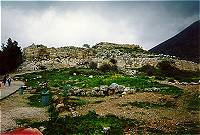
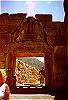
approach
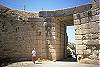
Lion Gate
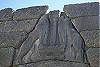
lion frieze detail
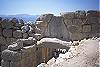
rear view
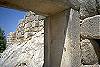
door fittings
guard stall
oikoi (outside the confines of the citadel)
Dr. J’s Illustrated Grave Circles Lecture
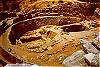
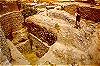
Grave Circle A
shaft graves
enclosure
lion rhyton
bull rhyton
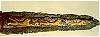
bronze dagger
royal gold
funeral mask
Grave Circle B
Dr. J’s Illustrated King’s Megaron Lecture
stone ramp
palace interior
threshold block
hearth
megaron
Dr. J’s Illustrated Cistern Lecture
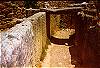
ascent
emergence
overview
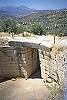
cistern entrance
view behind the palace
Dr. J’s Illustrated Clytemnestra’s Tomb Lecture
sign
dromos
lintel block
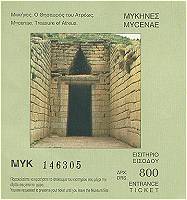
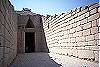
Dr. J’s Illustrated Treasury of Atreus Lecture
aerial view
close-up
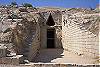
entryway
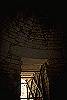
interior room
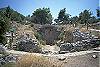
Dr. J’s Illustrated Lion Tomb Lecture