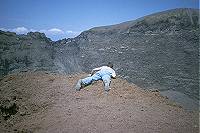
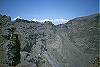
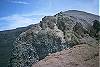
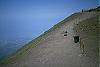
Mt. Vesuvius, on the Bay of Naples, is famous above all for its catastrophic eruption in AD 79, which buried the nearby Roman cities of Pompeii and Herculaneum under ash and volcanic debris, preserving them in remarkable detail for archaeologists to uncover centuries later. The eruption is described in two surviving letters written by Pliny the Younger to the historian Tacitus; Pliny’s uncle, Pliny the Elder, commander of the Roman fleet, died during a rescue attempt, observing the eruption up close. Vesuvius remains an active volcano today and is one of the most closely monitored in the world, given the dense modern population living in its shadow around the Bay of Naples.