Outside the walled Altis, the rest of the Olympia site provided the practical facilities needed to host the games. The gymnasium and palaestra were used for training in running, jumping, and wrestling; the stadium, reached through a stone entry tunnel, hosted the footraces and other athletic contests before crowds of spectators seated on earthen embankments. A later Byzantine basilica on the site reflects Olympia’s continued occupation long after the games themselves had ended (they were finally suppressed around 393 AD). The Liars’ Podium, near the stadium entrance, took its name from the statues of Zeus erected there using fines paid by athletes caught cheating. [Editor’s note: the original site had only brief photo labels for this page. This paragraph was drafted as a placeholder and should be reviewed/expanded by Dr. Siegel.]
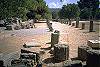
Gymnasium (palaestra in background), Olympia
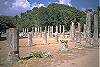
Palaestra, Olympia
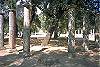
Palaestra, Olympia
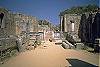
Byzantine Basilica, Olympia
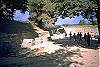
Liars’ Podium and entry to stadium, Olympia
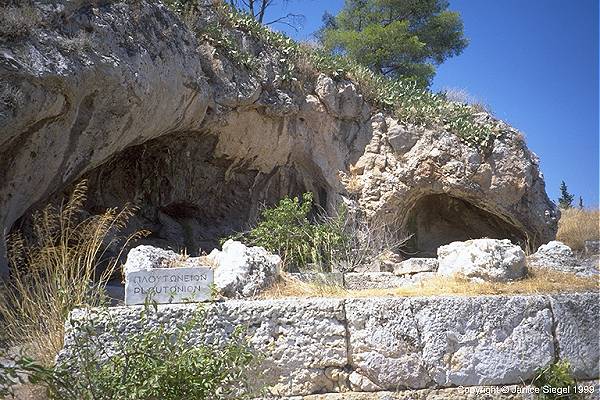
Inside the tunnel of the stadium, Olympia